


If you’re serious about achieving radiant, even-toned skin, it’s time to get familiar with AHA, or Alpha Hydroxy Acid—a powerhouse ingredient that has earned its place in many skincare routines. Whether you’re dealing with dullness, dark spots, uneven texture, or early signs of aging, AHAs can dramatically improve your skin’s appearance with consistent use.
In this post, we’ll break down what AHAs are, how they work, and why they may be the missing piece in your skincare routine.
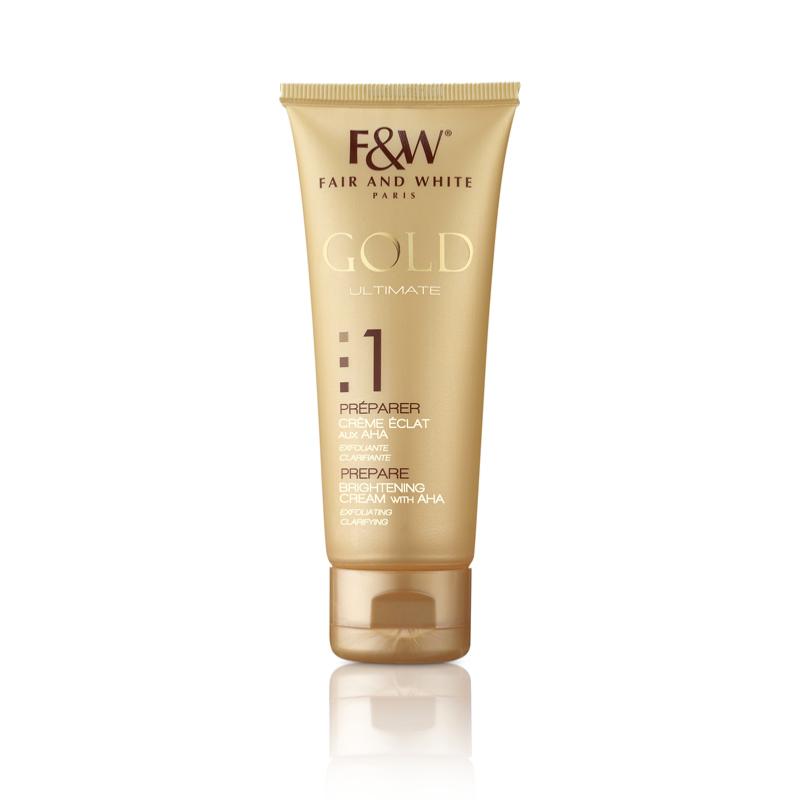
What Is AHA?
AHA stands for Alpha Hydroxy Acid, a group of natural acids typically derived from fruits, sugar cane, and milk. The most commonly used AHAs in skincare include:
-
Glycolic Acid (from sugar cane)
-
Lactic Acid (from milk)
-
Citric Acid (from citrus fruits)
-
Malic Acid (from apples)
These acids are water-soluble and surface-level exfoliants, meaning they work on the outermost layer of the skin to remove dead skin cells and promote cell turnover.
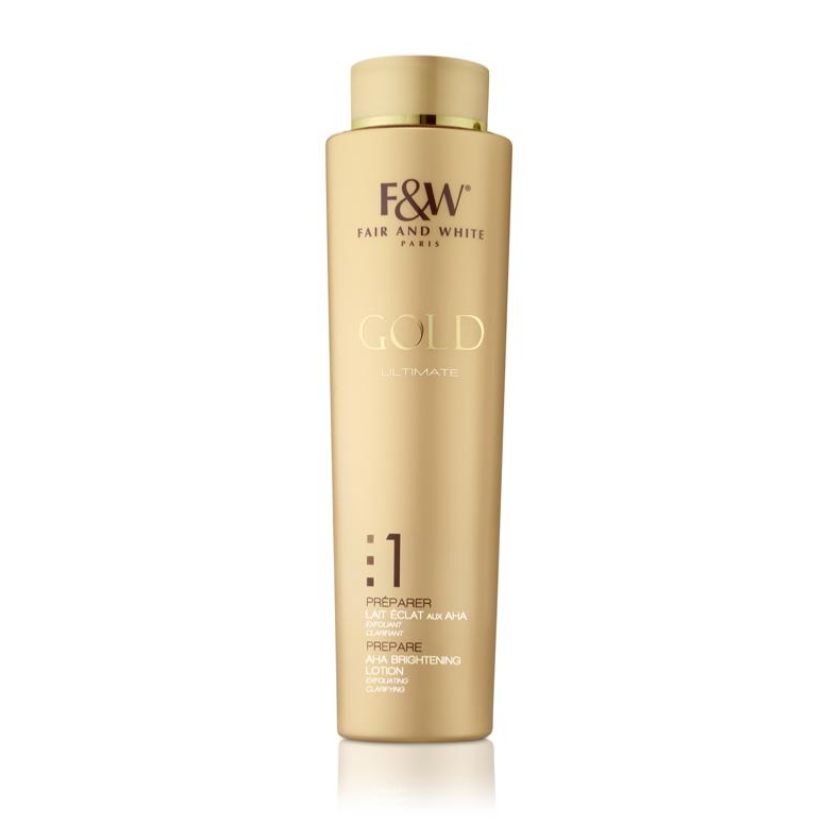
What Does AHA Do for Your Skin?
AHAs are most known for their ability to resurface the skin, offering a variety of benefits:
✨ Exfoliates Gently but Effectively
AHAs loosen the bonds between dead skin cells, allowing them to shed naturally. This reveals fresher, more radiant skin underneath without the need for harsh scrubbing.
🌟 Brightens and Evens Skin Tone
Regular AHA use can fade dark spots, post-acne marks, and hyperpigmentation, resulting in a more uniform complexion.
💧 Improves Skin Texture
If your skin feels rough or looks uneven, AHAs help smooth the surface and refine pores, giving you a soft, touchable glow.
💫 Boosts Hydration
Unlike harsh exfoliants that strip moisture, some AHAs (especially lactic acid) have humectant properties, meaning they help your skin retain water.
🔄 Encourages Collagen Production
With regular use, AHAs can help stimulate collagen, reducing the appearance of fine lines and wrinkles over time.
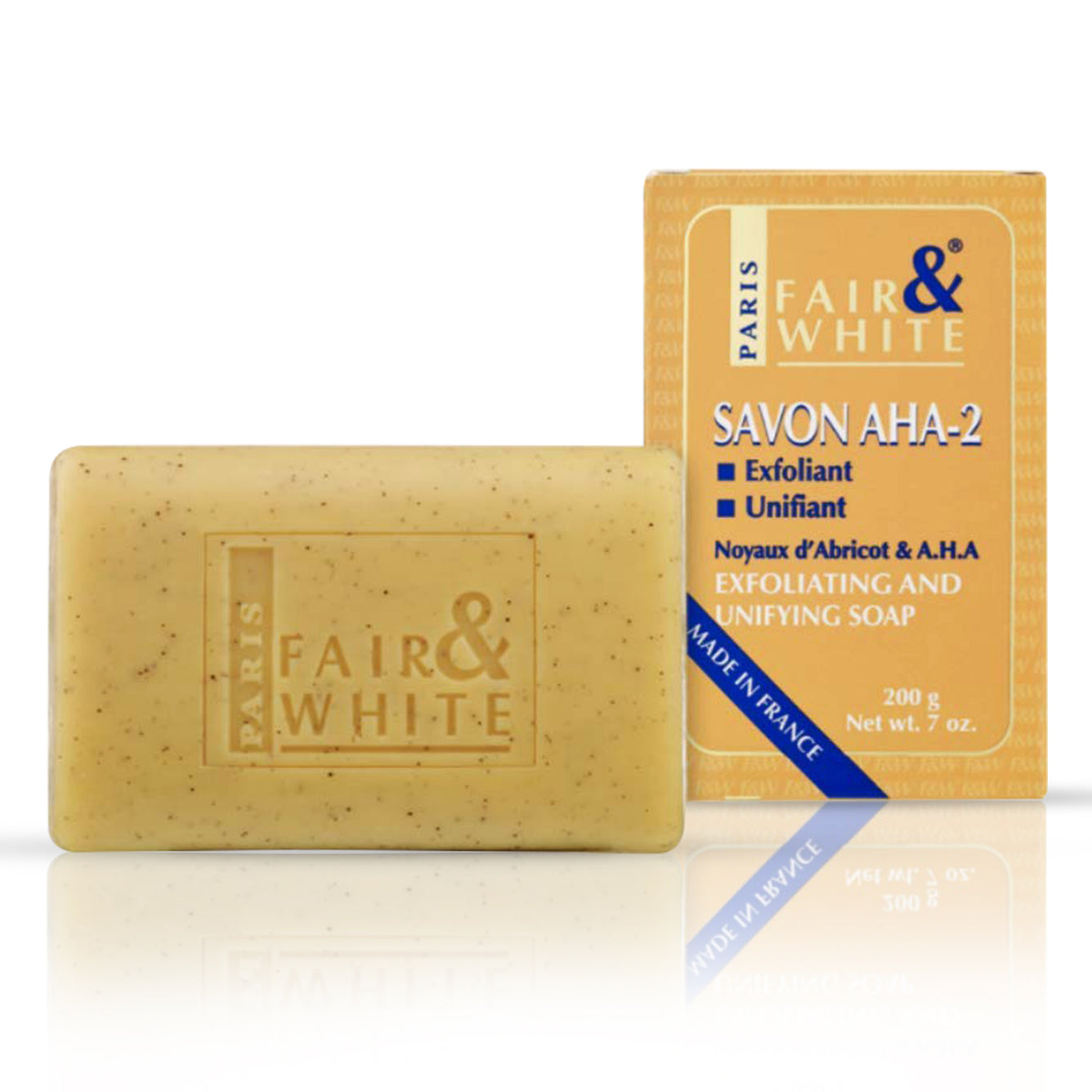
How to Use AHA in Your Routine
To experience the full benefits of AHAs, it’s important to introduce them slowly and apply them correctly:
-
Cleanse your skin thoroughly.
-
Apply an AHA serum, toner, or cream depending on your preference.
-
Follow with a moisturizer to seal in hydration.
-
Always wear sunscreen during the day—AHAs increase sun sensitivity.
Start with low concentrations (around 5%) and increase gradually as your skin builds tolerance. You can use them 2–4 times per week, depending on your skin type.
Is AHA Right for You?
AHAs are generally safe for normal, dry, and combination skin types, especially those looking to treat:
-
Dullness and rough texture
-
Hyperpigmentation
-
Early signs of aging
-
Acne scars
If you have sensitive skin, start with milder AHAs like lactic acid, and always patch test before full application.
Final Thoughts: AHA = Brighter Skin, Smarter Skincare
Adding Alpha Hydroxy Acids to your skincare routine is one of the most effective ways to reveal a smoother, healthier, and more luminous complexion. Backed by science and loved by dermatologists, AHA is more than just a trend—it’s a skincare essential.
Whether you’re just starting or looking to upgrade your glow, AHA deserves a spot on your shelf.
Need help choosing the right AHA-based product for your skin goals? Browse our curated AHA formulas here and start your journey to radiant skin today. 🌿